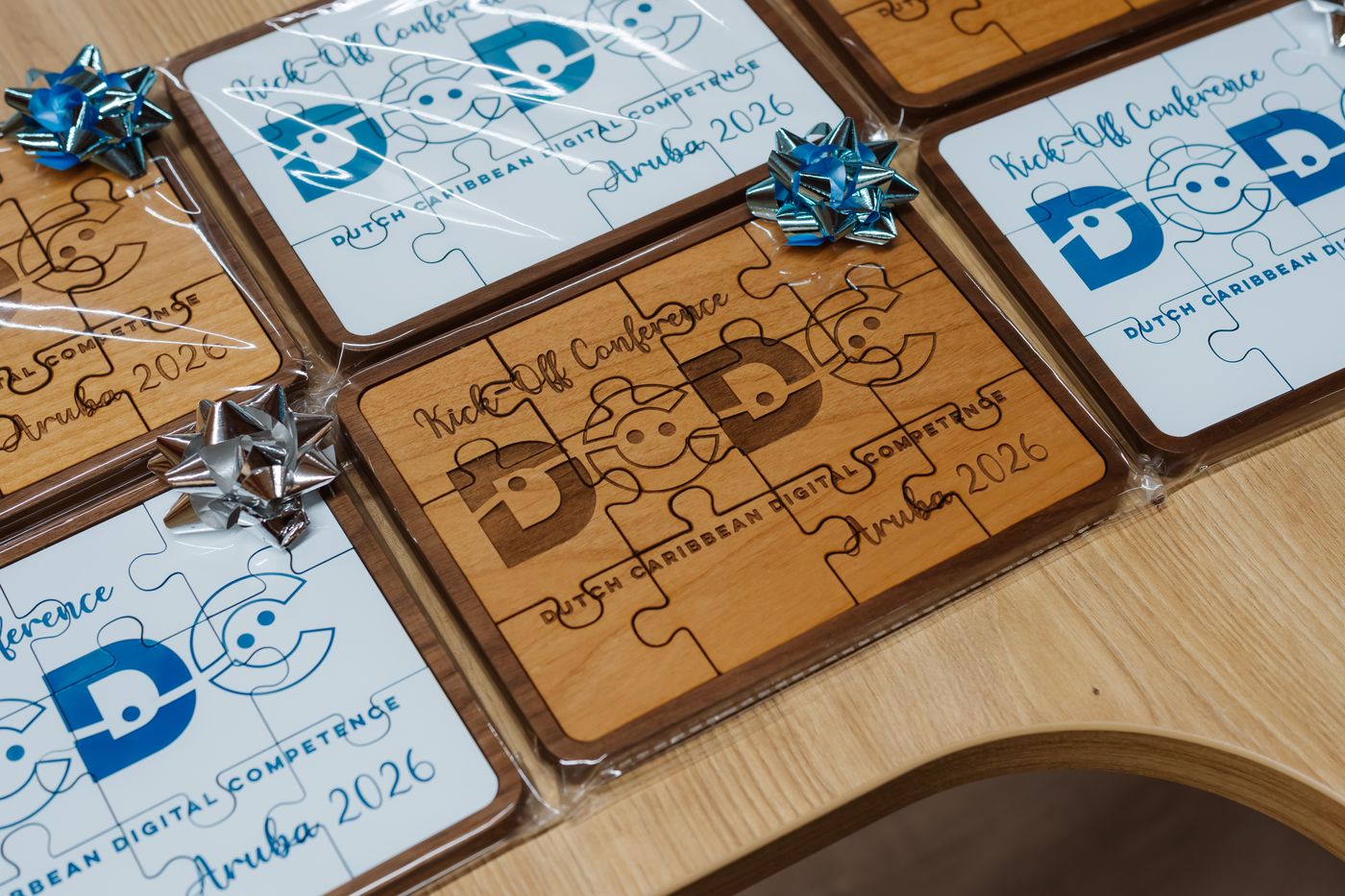
DCDC Kick-Off Conference
Held from 10 to 12 November 2026 at the University of Aruba. Photos from the workshop day.
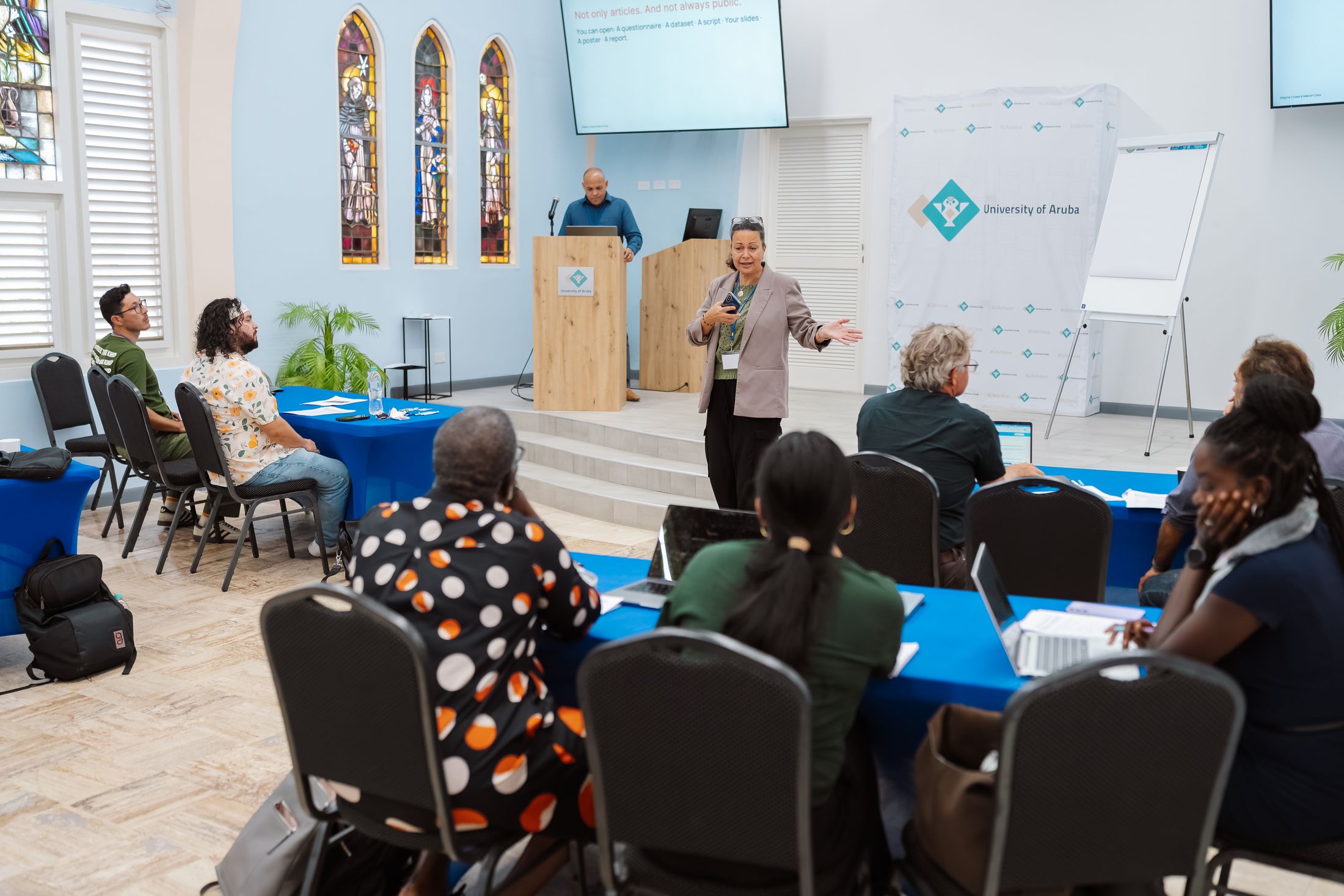
The DCDC Network met on Aruba to connect researchers, institutions and professionals across the Dutch Caribbean, from Aruba, Curaçao and St. Martin to Bonaire, Sint Eustatius and Saba, who share a commitment to open data, collaborative research and building digital capacity in our region. The kick-off set out what the network focuses on in the period ahead.
- When Tuesday 10 November, evening, to Thursday 12 November 2026
- Where University of Aruba, Oranjestad
Opening evening
Opened by Gerlien Croes, Minister of Kingdom Relations, Education, Youth, Innovation and Sports, with a keynote by Hadeikaye Peterson and talks on open data and privacy by Sandy Odor and on data sharing between government organisations by Jeremy Erasmus. The speakers returned to the stage for questions from the audience, followed by a reception.
Workshops and input sessions
Training needs, making tools and research more accessible, open science in your organisation, the Open Science Community Aruba, archives of design and digital culture, family history, learning AI by doing, making existing data findable and reusable, and Wikidata. Participants also gave their input on the training programme the network aims to set up.
Workshops and practical activities
Continuation of the workshops, with hands-on activities and a session on electoral data.
Photos from the workshop day
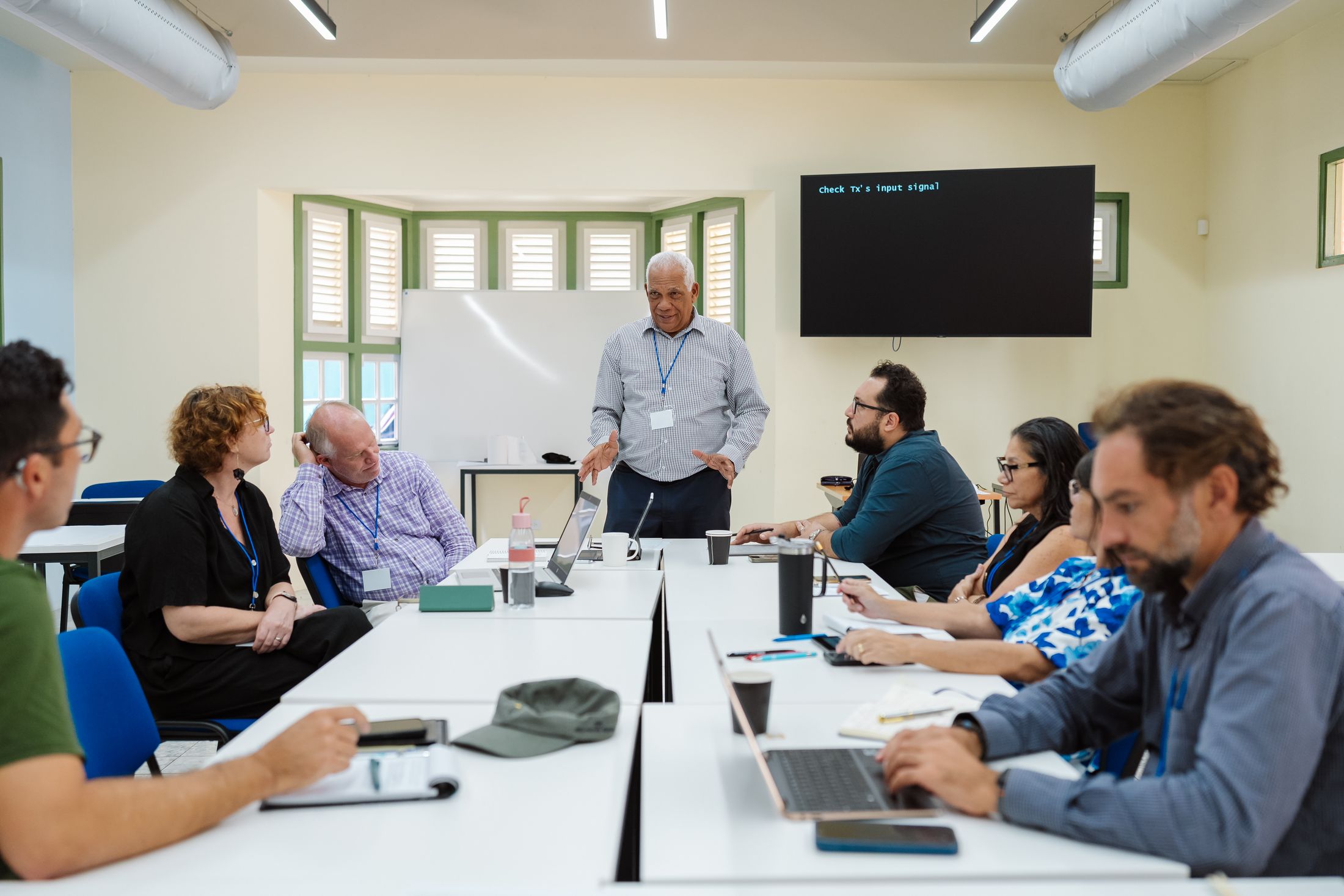
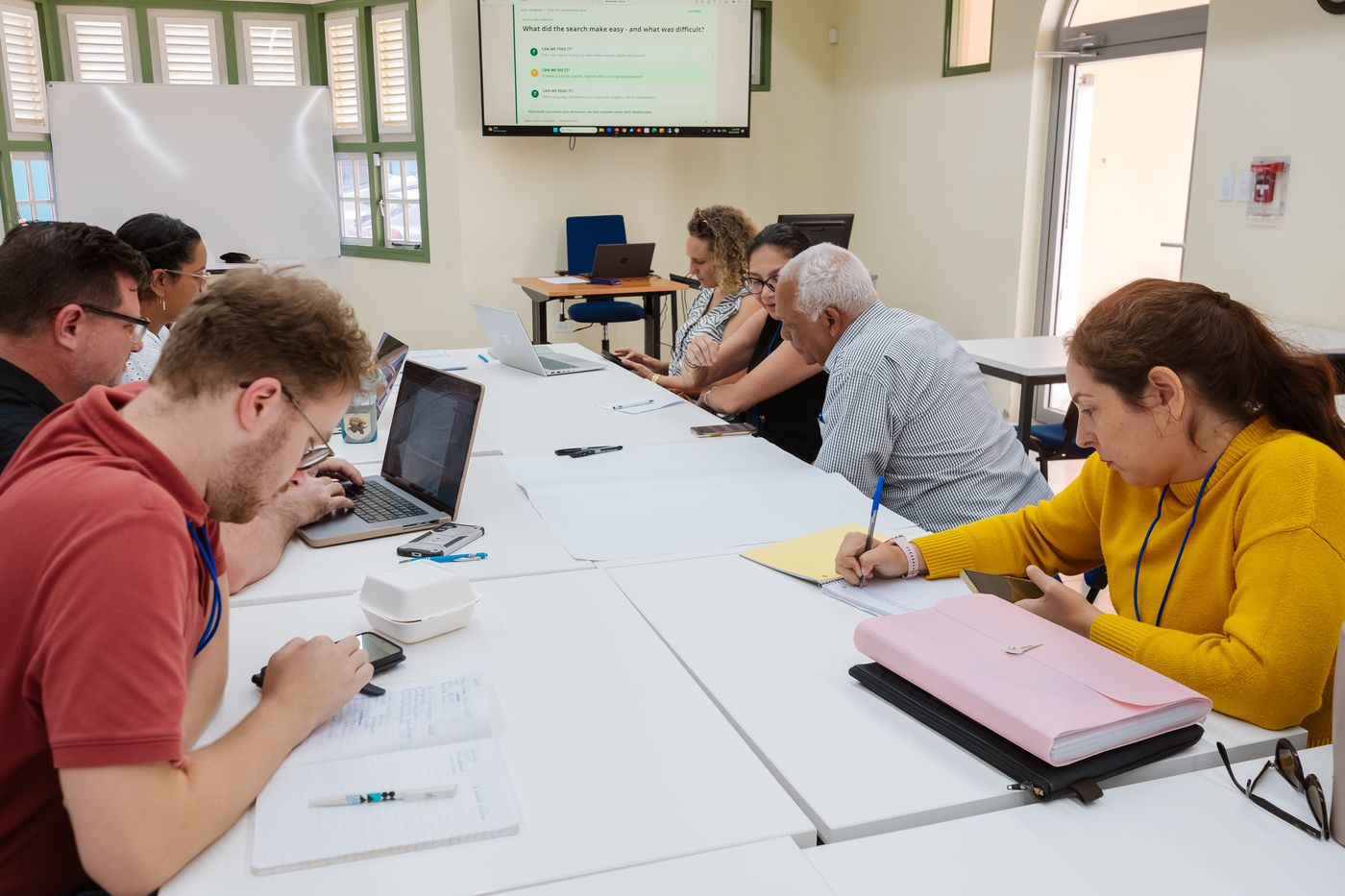
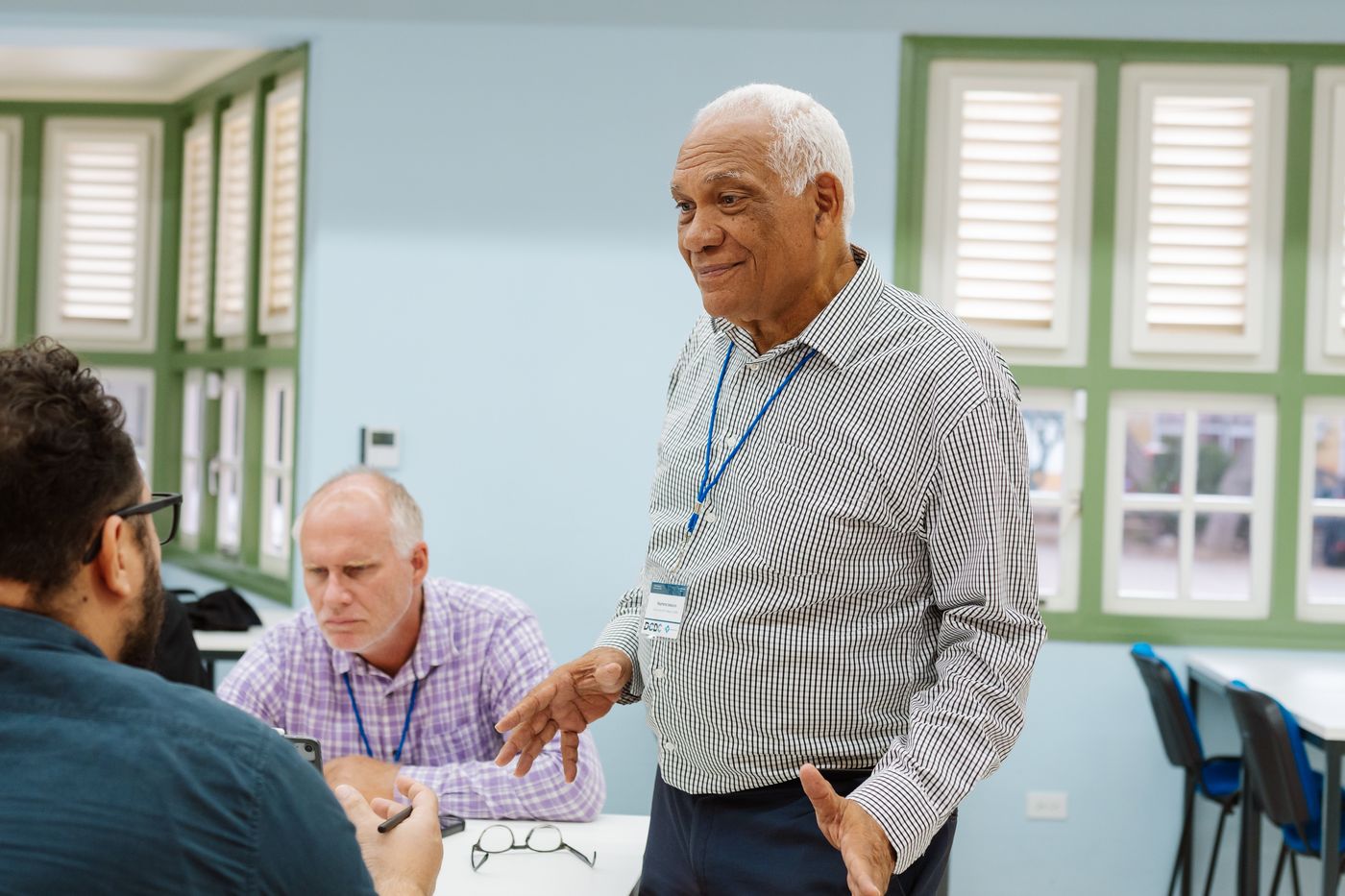
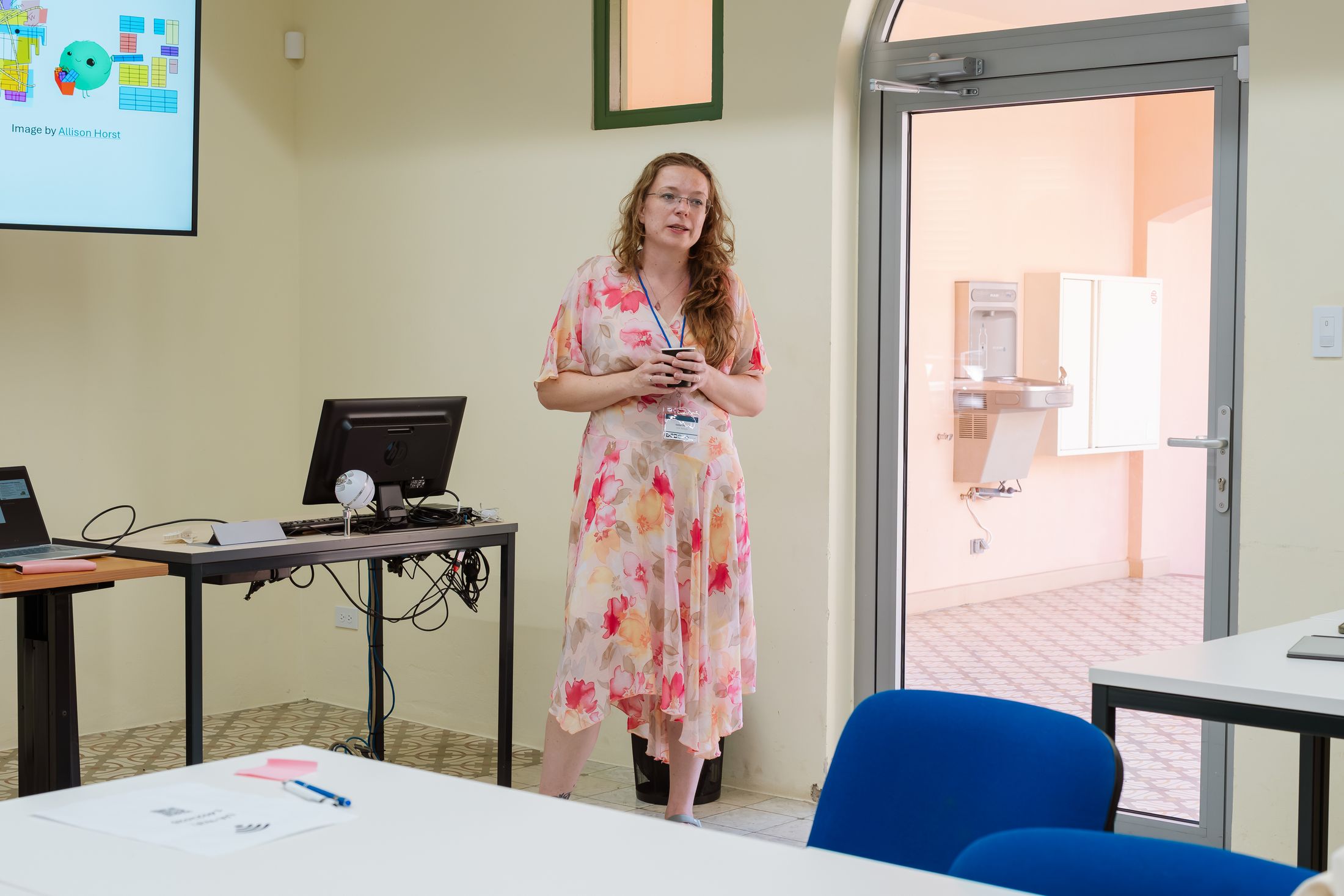
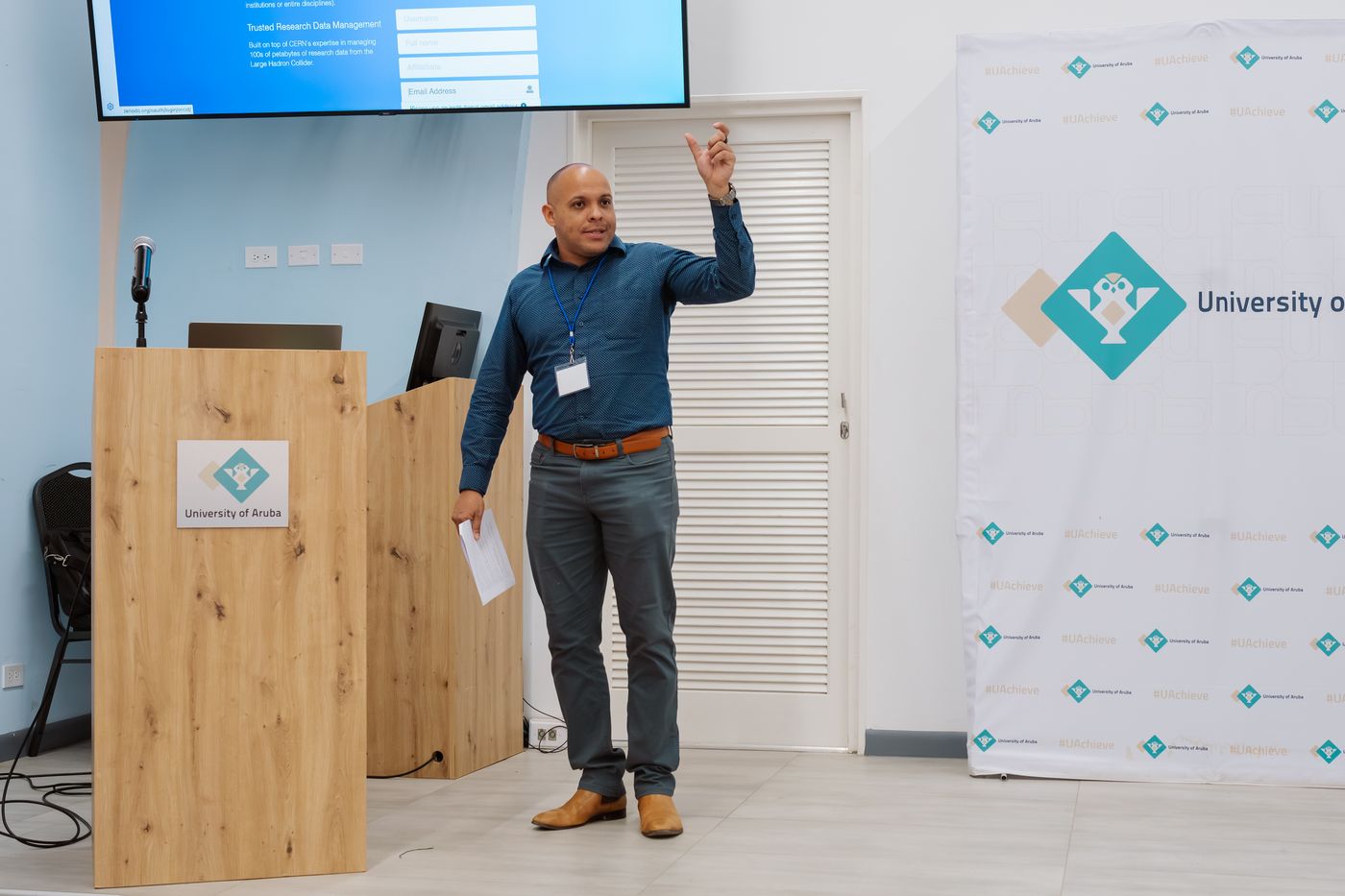
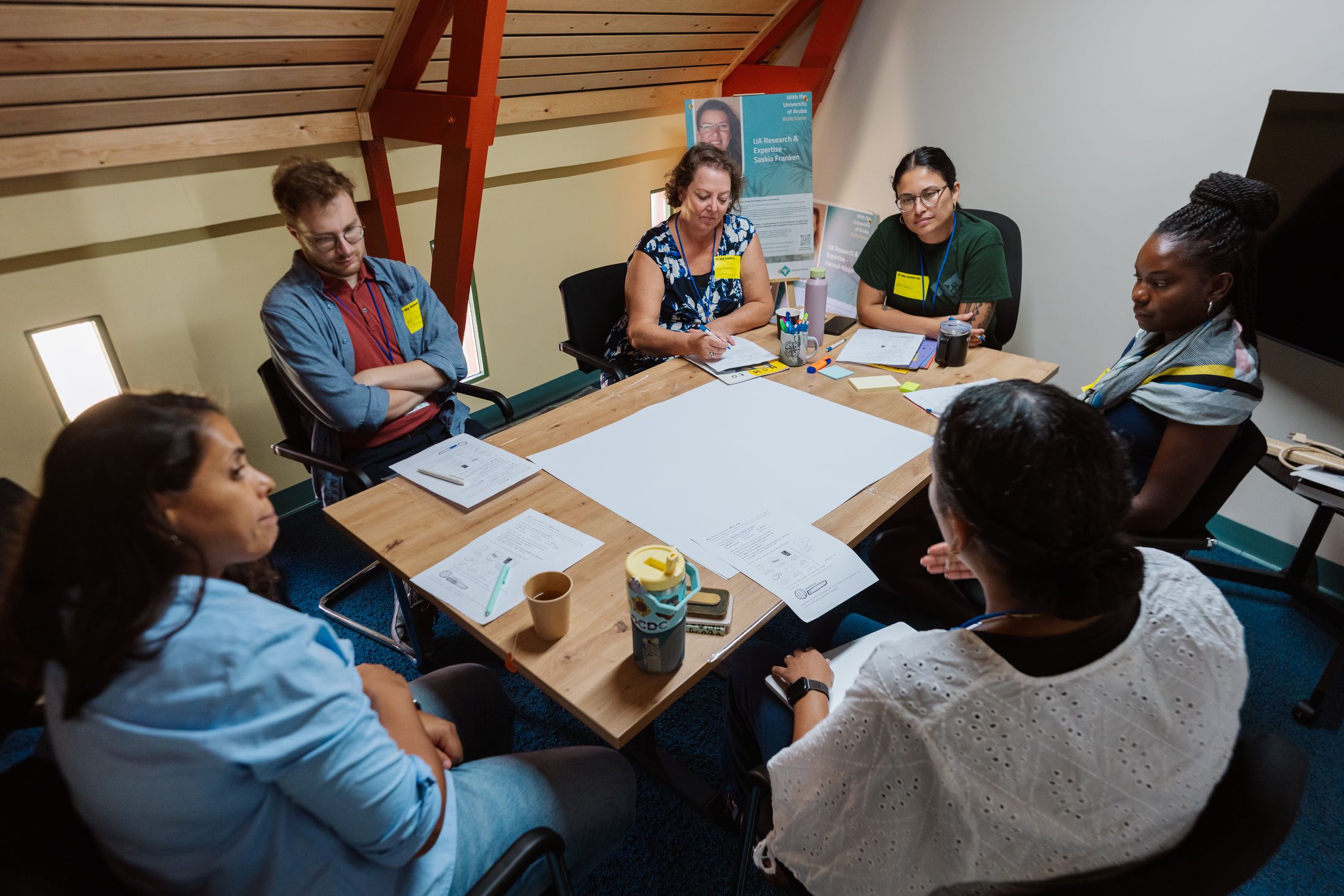
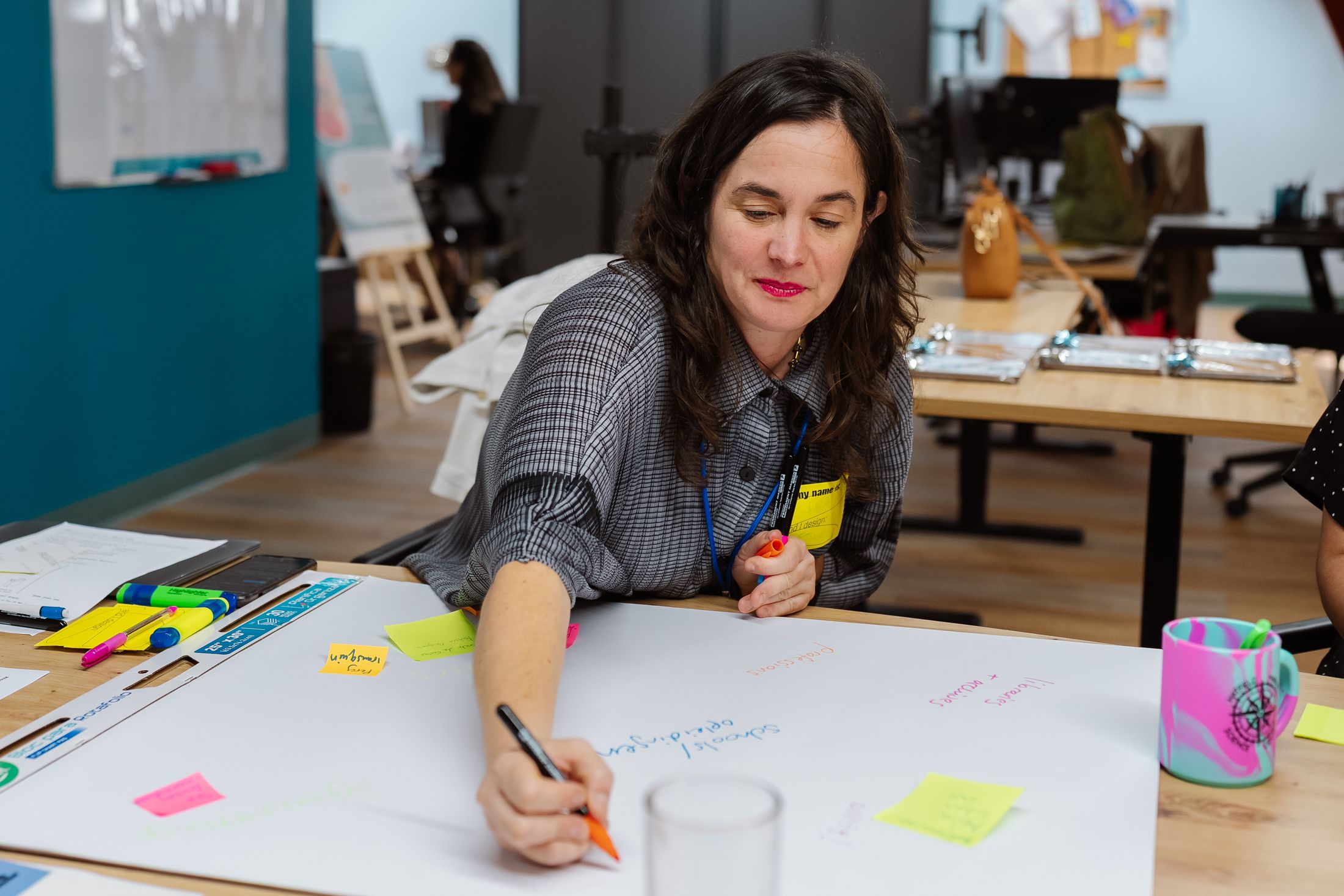
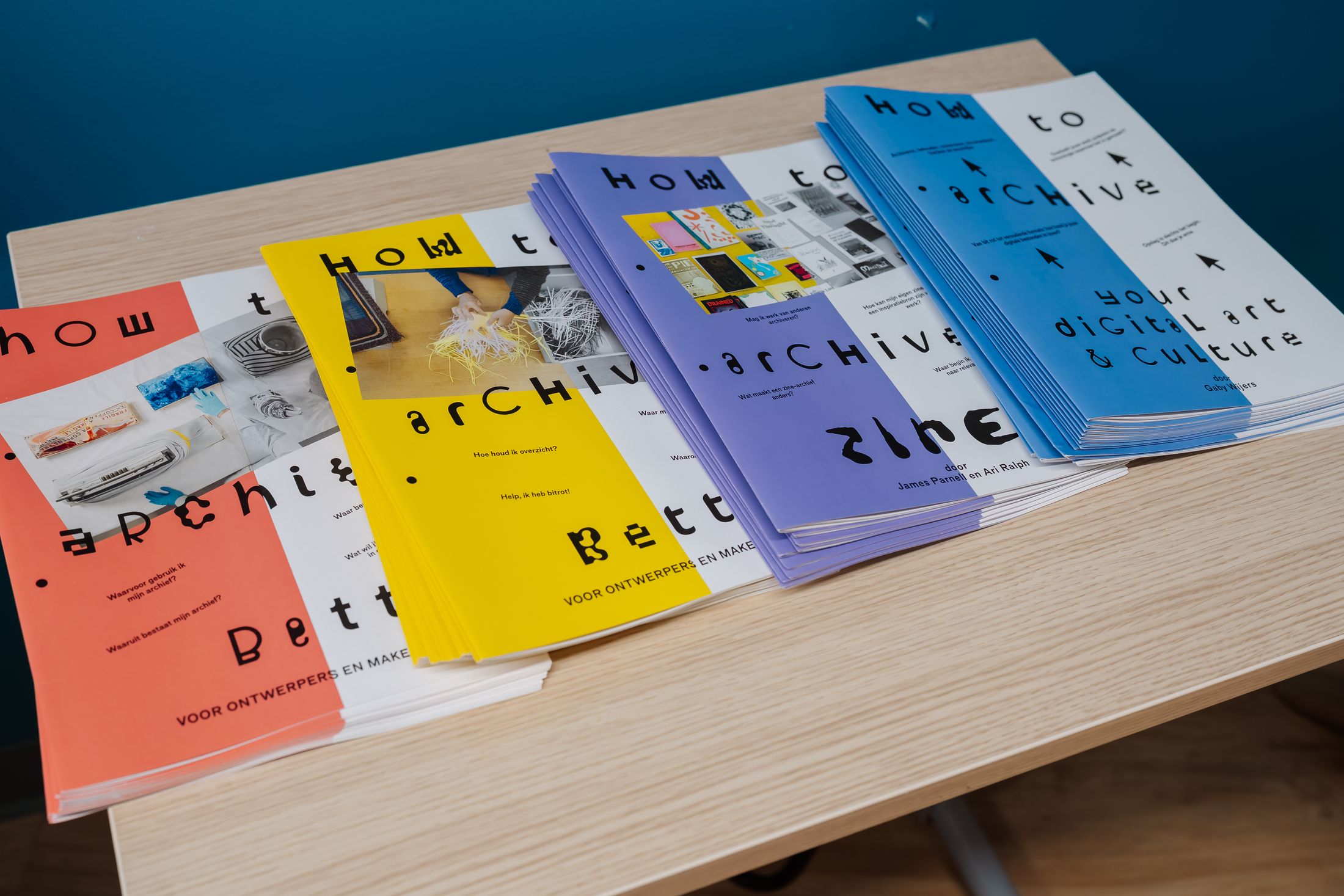
Wednesday 11 November 2026. Photos: Edrick Krozendijk, Edrxck Productions.
Programme
The programme as published before the conference.
Tuesday 10 November, opening evening (public), MC Chapel
- 6 PMWelcome snack and drink
- 6:15 PMIntroduction to the evening, by
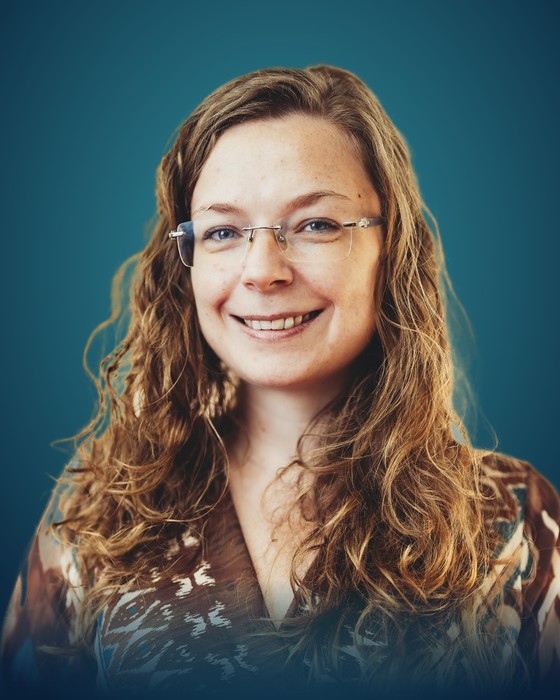 Esther Plomp
- 6:17 PMOpening remarks by
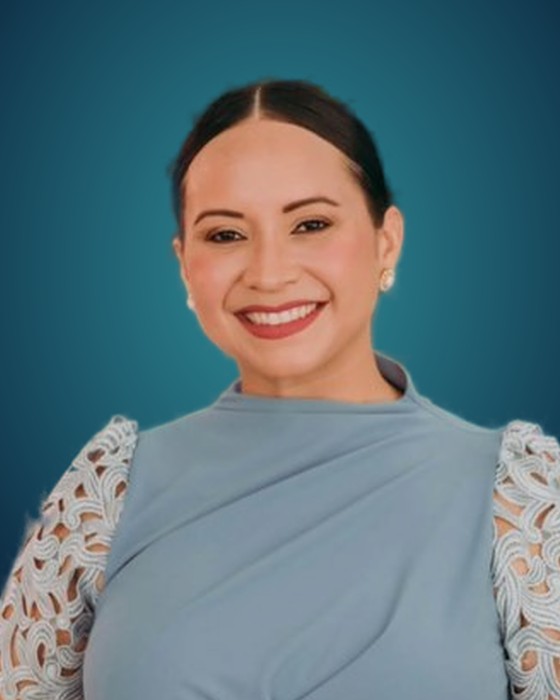 Gerlien Croes, Minister of Kingdom Relations, Education, Youth, Innovation and Sports
- 6:25 PMIntroducing the DCDC Network, from the results of the onboarding survey, by Esther Plomp
- 6:35 PMKeynote: Learning AI Together: What Holds Us Back and What Moves Us Forward, by
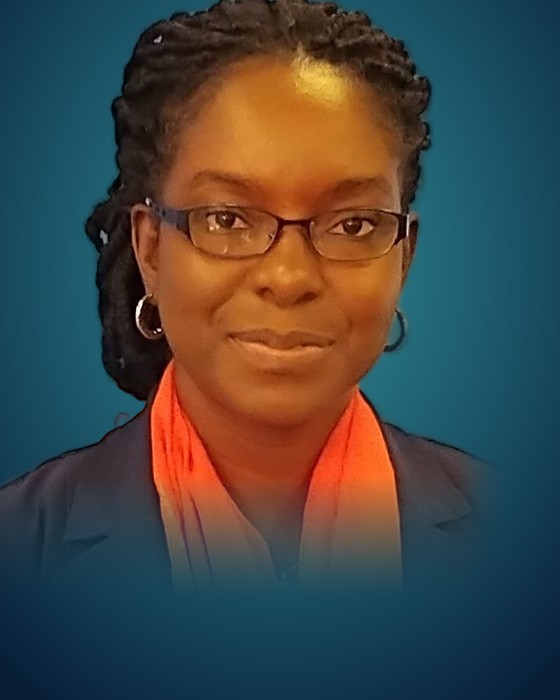 Hadeikaye Peterson
- 6:55 PMOpen Data Meets Privacy: Understanding Personal Data, Data Protection Principles and Individual Rights, by
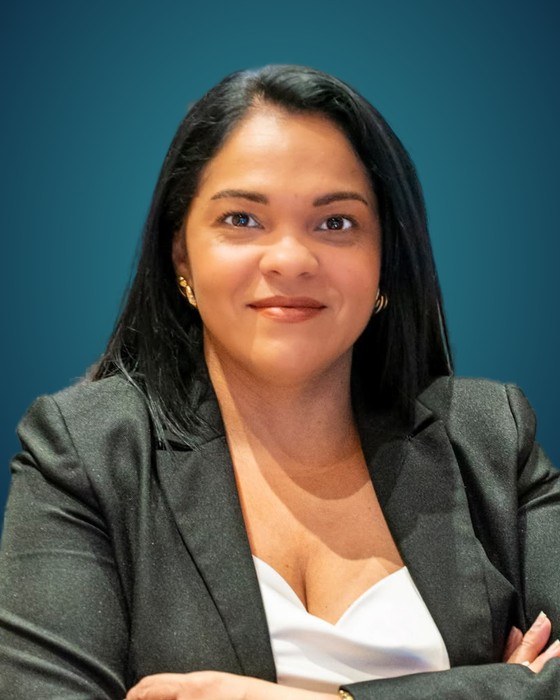 Sandy Odor
- 7:10 PMData sharing between government organisations, by
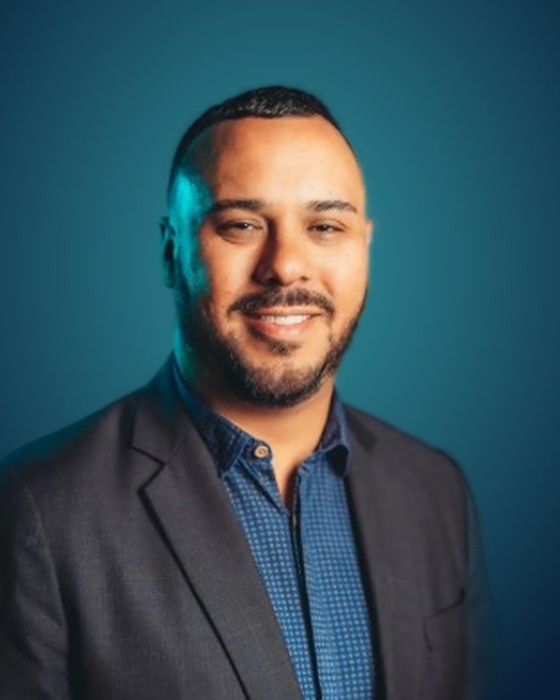 Jeremy Erasmus
- 7:30 PMQuestions from the audience, with Esther, Hadeikaye, Sandy and Jeremy
- 7:50 PMClosing, and a look at the two workshop days
- 8 PMReception and drinks
Wednesday 11 November, workshops
- 9:30 AMOpening and the programme
- 10:15 AMCoffee, and choosing your sessions
- 10:30 AM to 12 PMResearch for Everyone: Making Knowledge and Digital Tools Accessible to Our Communities, with
 Raymond JessurunMapping Design, with Sara Rosa Espi and Nagila Muller of the Network Archives Design and Digital Culture (NADD)
- 12 PMLunch
- 1 PM to 2:30 PMOpen science in your organisation (IPA)DCDC Network meets Open Science Community ArubaFamily history: what stands between you and the records? WithRaymond Jessurun
- 2:30 PMCoffee
- 3 PM to 4:30 PMLearning AI by doing: Building Confidence through hands-on practice, withHadeikaye PetersonMaking existing data findable and reusable (FAIR), withEsther PlompWikidata, with
 Ginelly Quandt
- 4:30 PMClose of the day
- EveningDinner
Thursday 12 November, workshops and practical activities
- 9:30 AMSummary of day 1
- 10 AMCoffee, and choosing your sessions
- 10:30 AM to 12 PMWhat training should the network offer? Part 2: the draft plan, withEsther PlompData Protection in Practice: What Every Organization Needs to Know, withSandy Odor
- 12 PMLunch
- 1 PM to 2:30 PMWriting session
- 2:30 PMCoffee
- 3 PM to 3:30 PMClosing: the preliminary training plan and the next network meeting
- 3:30 PMDrinks
Speakers
Esther Plomp
Dr. Esther Plomp is the Project Lead of the DCDC Network and its local coordinator for Aruba. She works at the University of Aruba Research Center (UARC) on making researchers’ work more accessible through the UA repository, and sees data competency as essential for Aruba to address its most urgent challenges with evidence. She hopes the network becomes a gateway for people to achieve their data competency and open science goals together.
Gerlien Croes
Gerlien Croes is Aruba’s Minister of Kingdom Relations, Education, Youth, Innovation and Sports. She opens the evening on behalf of the Government of Aruba.
Hadeikaye Peterson
Hadeikaye Peterson is a PhD Candidate in Educational Technology and Learning Design at Simon Fraser University, Canada. Her research examines how older adults develop digital competence at work in a Caribbean small island state undergoing digital transformation. Drawing on asset-based pedagogy and recognition theory, she challenges deficit views of adult learners. A former research assistant on SFU's SSHRC-funded New Literacies of Automation project, she designs hands-on training for adults learning new digital tools, including AI.
Sandy Odor
Sandy Odor, LL.B., LL.M., CAMS, is a legal and privacy professional who obtained her Master of Laws (LL.M.) degree from the University of Aruba in 2013. She currently serves as Group Privacy Officer for a banking group operating across the Dutch Caribbean. Her expertise includes data protection compliance, privacy governance, and safeguarding individuals’ rights. She is committed to promoting privacy awareness and responsible data processing across organizations and jurisdictions.
Open data offers valuable opportunities for research, innovation and knowledge sharing, but it also raises important questions about the protection of personal information. This presentation introduces the concept of personal data, explains the fundamental principles of data protection in the Dutch Caribbean, and outlines the rights individuals have regarding the processing of their personal information. The session aims to raise awareness of how personal data can be handled responsibly while supporting research, transparency and open-data initiatives.
Jeremy Erasmus
Guido Rojer
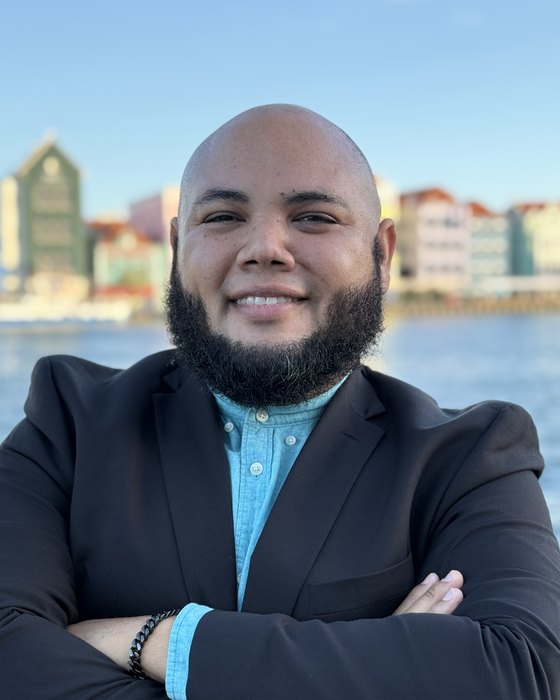
Guido Rojer, Jr. is a Curaçaoan author, scholar, advisor, founder, pundit, tech advocate, and all-around professional troublemaker. Dr. Rojer is an Associate Professor of International Entrepreneurship and researches Emerging, Frontier and Island Economies through a broad Evolutionary Economics lens. He holds a doctorate in Economics & Business from UNED Madrid (cum laude), and is an alumnus of the Maastricht Graduate School of Governance (now UNU-MERIT) at Maastricht University. He draws his contributions from executive, supervisory, and advisory experience in both profit and not-for-profit sectors, and has fulfilled roles as advisor to governments, and consultant for multilateral organizations in and around the Caribbean.
Marvin Odor
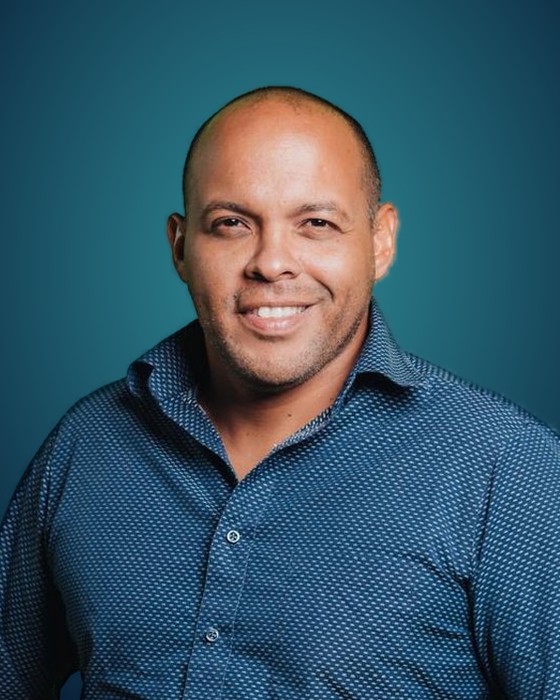
Marvin Odor is an instructional designer, IT and media expert, and data collector specialist at the Instituto Pedagógico Arubano (IPA). He brings 17 years in education, including teaching software and design techniques at Colegio EPI. He leads large-scale tablet-based surveys across Aruba’s schools and designs the digital workflows behind them, supporting evidence-based decision-making. Representing IPA and its research team CIDE.
Ginelly Quandt
Ginelly Quandt is an Aruban cultural contributor, photographer and artist. She served as Wikimedian in Residence in Aruba, helping share Aruba’s stories through Wikipedia, Wikimedia Commons and Wikidata.

Carla Vlaun
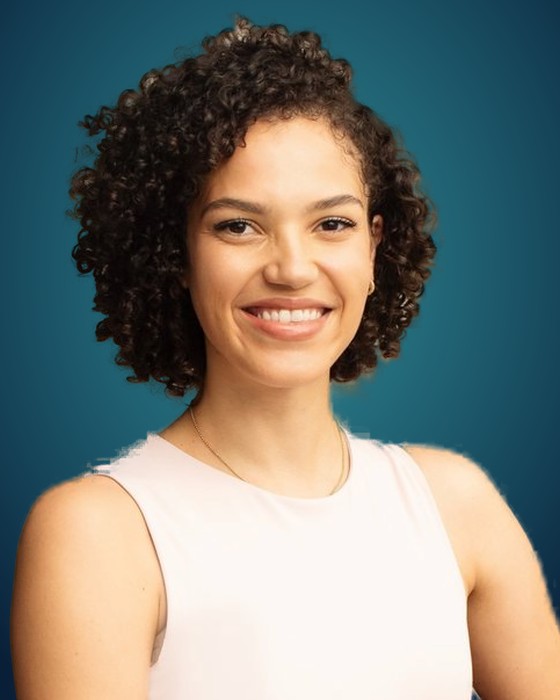
Carla Vlaun is Managing Director of Tackling Law and a substitute member of the Central Voting Bureau of Sint Maarten. Drawing on her experience with the Central Voting Bureau and her research on democratic institutions, she will examine the data logistics of election night: how results move from the polling station to the public announcement. Her contribution considers public expectations on election night and how the speed, form and transparency of the results shape public trust.
Raymond Jessurun
Drs. Raymond Jessurun is Research Coordinator at the University of St. Martin and the DCDC Network’s local coordinator for St. Martin. He works to connect research with the real needs of people and institutions in Sint Maarten, so that local knowledge, community experience and public challenges are turned into something useful for action, policy and long-term development. He hopes the network breaks the isolation between islands and institutions.
Research and digital information should benefit everyone, not only academics and specialists. However, barriers related to language, education, digital skills, technology, affordability and access to information often limit their use. This interactive workshop invites participants to identify these barriers, share experiences and develop practical solutions to make research and digital tools more accessible, understandable and useful for people throughout the Dutch Caribbean. Through a practical exercise and small-group discussions, participants will formulate recommendations that can inform DCDC’s activities and future collaborations. The workshop is open to everyone. No specialised technical knowledge is needed.
Sara Rosa Espi and Nagila Muller
Sara Rosa Espi, Programme Manager, and Nagila Muller work for the Network Archives Design and Digital Culture (NADD) at Nieuwe Instituut in Rotterdam.
What does it mean to archive design and digital culture, and who gets represented in these histories? In this interactive session, NADD will introduce its work supporting designers, makers, and cultural practitioners in documenting and preserving their own archives through practical tools, workshops, and collaborative knowledge-sharing.
Participants will learn how NADD connects archives, collections, and communities across the Netherlands and the Caribbean part of the Kingdom, making design and digital culture more visible, accessible, and future-proof. The session will then shift into a collective mapping exercise focused on the Caribbean. Together, we will identify designers, creative communities, institutions, and practices that have shaped the region’s design and digital culture landscape, while reflecting on questions of visibility, documentation, and representation.
By combining archive-making with collaborative mapping, this session invites participants to contribute to a richer understanding of Caribbean design histories and futures. No prior archival experience is required. Designers, digital culture makers, archivists and other heritage workers are especially welcome.
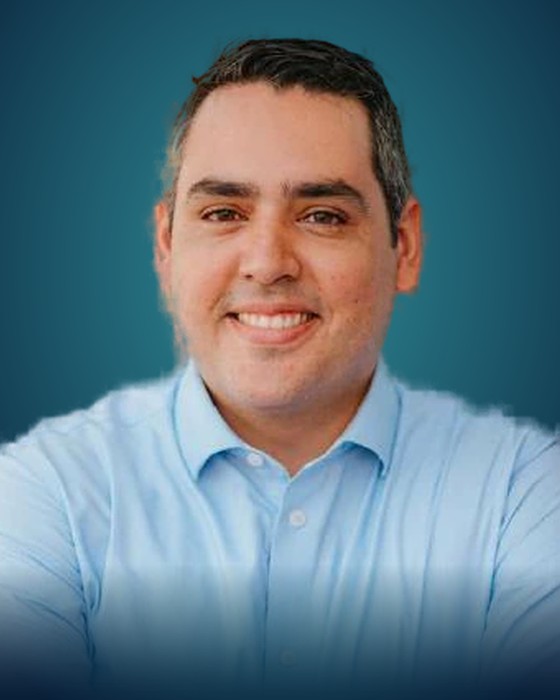
Rendell de Kort
Rendell de Kort is the Network Administrator of the DCDC Network. His PhD research at the University of Aruba is on small island economic resilience, and he previously worked with the World Bank on disaster risk financing. In his view the region’s largest data gains sit in putting existing data to FAIR use, at little cost.
From the count at the polling station on election night to the seat calculation, much of the electoral data chain on our islands still runs on paper and by hand. Which parts are worth documenting and keeping, and do Aruba, Curaçao and St. Martin face the same questions? The electoral data session takes stock, and could be the start of a working group.
Missed it?
To hear about the next network event, sign up for the newsletter, which comes out every three months, or get in touch with your local coordinator.